viernes, 27 de noviembre de 2015

ARTE FACTO DIGITAL


Aquí os dejo el enlace a mi artefacto digital. Hay sido un curso muy útil para mi. He aprendido cosas nuevas en cuanto a recursos educativos abiertos (REA) que desconocía.


https://www.powtoon.com/online-presentation/fR5ap6AkYDt/artefacto-digital/#/


ROMANESQUE ART


LEVEL: 2nd ESO
SUBJECT: Social Sciences


Cathedral of Santiago


CONTENTS:    

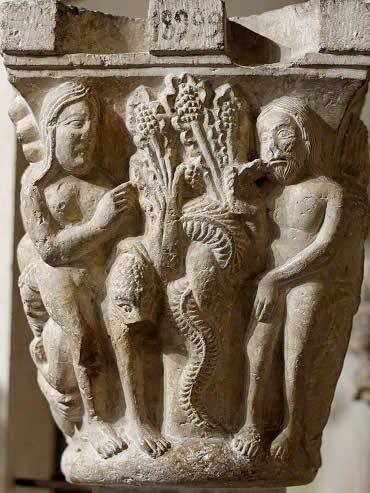
Historical introduction, Romanesque Architecture, Sculture and Painting.

GOALS:


- Describe the main features of Romanesque architecture and art.

- Distinguish the different parts of the church using their specific vocabulary

-  Know when the sculpture takes place

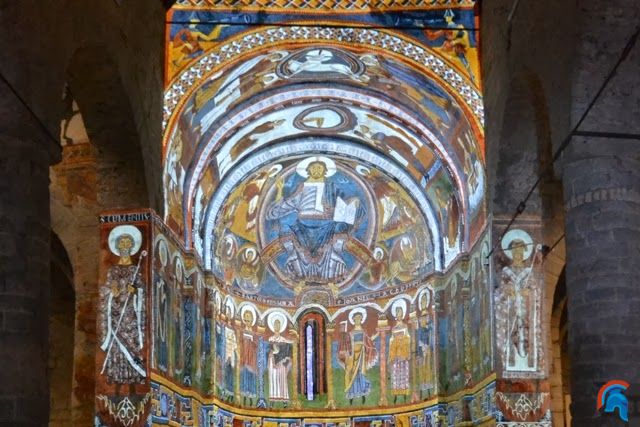
- Recognize what figures have been represented in the sculpture and the painting

-  Describe the painting.

-  Analyze and comment on images related to the contents.

-  Value the artistic and cultural heritage of the feudal age.

-  Respect the cultural legacy transmitted by the Church.


 FINAL ACTIVITY:

Commentary of architecture, sculpture and painting works.


SESSIONS

1. INTRODUCTION

Intro activity to show the main features of historical situation

https://youtu.be/6nI4KwG5CA4

Video to know the International Style: Romanesque Art. Some vocabulary will written in a plan of a romanic church.

2. ARCHITECTURE

https://youtu.be/grz69X4sZLQ

The main features of romanesque architecture.

Definition of specific vocabulary.
http://www.whenwecrosswords.com/crossword/medieval_crossword/621/crossword.jsp

Medieval crossword puzzle

3. SCULPTURE 


https://youtu.be/d5gLBnteb8Y

Analysing  iconograhy and features.

4. PAINTING 

Analysing  iconograhy and features

https://youtu.be/wH9cNrZ9e4g


5. REVIEW CONTENT AND SUMMARY

Different worksheets to rewiew the contents, reinforce them, self-assessment online activities and another activities.

WEBMIX https://www.symbaloo.com/mix/aicleart1


lunes, 16 de noviembre de 2015

PLANIFICACIÓN DE LA UNIDAD AICLE


Aquí os dejo la planificación de la unidad AICLE: ROMANESQUE ART

SOCIAL SCIENCES


ROMANESQUE ART


Level 2º ESO

1. SUBJECT CONTENTS
-  An historical introduction about the Romanesque Art
- Romanesque architecture
- Romanesque sculpture and painting

2. ASSESSMENT CRITERIA
- To describe the main features of Romanesque architecture and art.
-  To distinguish the different parts of the church using their specific vocabulary
-  To know when the sculpture takes place
-  To recognize what figures have been represented in the sculpture and the painting
-  To describe the painting.
-  To analyze and comment on images related to the contents.
-  To value the artistic and cultural heritage of the feudal age.
- To respect the cultural legacy transmitted by the Church.

3.  VOCABULARY: KEY WORD
-  NOUNS: apse, aisle, ambulatory, apsidal chapels, arcade, buttresses, Latin cross, pilgrimage churches, barrel vault, transept, central nave, side nave, sin, doorway, feudal times, semi-circular arch.
- ADJECTIVES: small, narrow, solid, wooden, undecorated, humble, thick, illiterate
- VERB: spread, found, make, built, decorate, teach
- PREPOSITIONS:  between, behind, without, over, with,  

4. STRUCTURES:
- ROUTINES.  Questions: where, when, why, what, how
  • What material does Romanesque architecture use mainly?
  • When were pictures painted?
 - CONTENT:
- How are the adjectives placed in the sentences?
- Descriptions
  • Look the Pantocrator and answer the questions:
-       Who was the Pantocrator?                                
-       Describe his appearance.

- CLASSROOM MANAGEMENT:
  • .Have you done your homework?
  • Which exercise are we doing?
  • Tell me the answer.
  • Great! Very well done!
  • First listen and then repeat.
  •  Could you repeat that, please
  • Stop talking and watch the video

5. SKILLS
- Reading, writing, listening, speaking


  6. ACTIVITIES
- Answer questions with simple sentences.
- Use specific vocabulary to complete the gaps.
- Listen to and answer the questions.
- Activities online.

7. METHODOLOGY
- To introduce concepts in a clear, simple and reasoned way, using language adapted to the students and helping to improve their spoken and written expression in the foreign language.
- Texts are accompanied by photos and illustrations which support the content and aid understanding.
- Key words with simple definitions, the main vocabulary.
- Reading texts, highlighting aspects of the content.
- Listening activities are included and watching videos which help to reinforce vocabulary and pronunciation and develop oral comprehension.
- Oral activities in small groups, designed to develop oral fluency and communication in the foreign language.
- Using technological resources.

8. RESOURCES
Text book and photocopies.
Specific videos
Interactive activities


9. KEY COMPETENCES
Basic competences are practiced: linguistic, digital, cultural and artistic, social, learning to learn.

10. ASSESMENT INSTRUMENTS
Dairy work.
Positive attitude in class
At the end of the unit, they will take an exam